

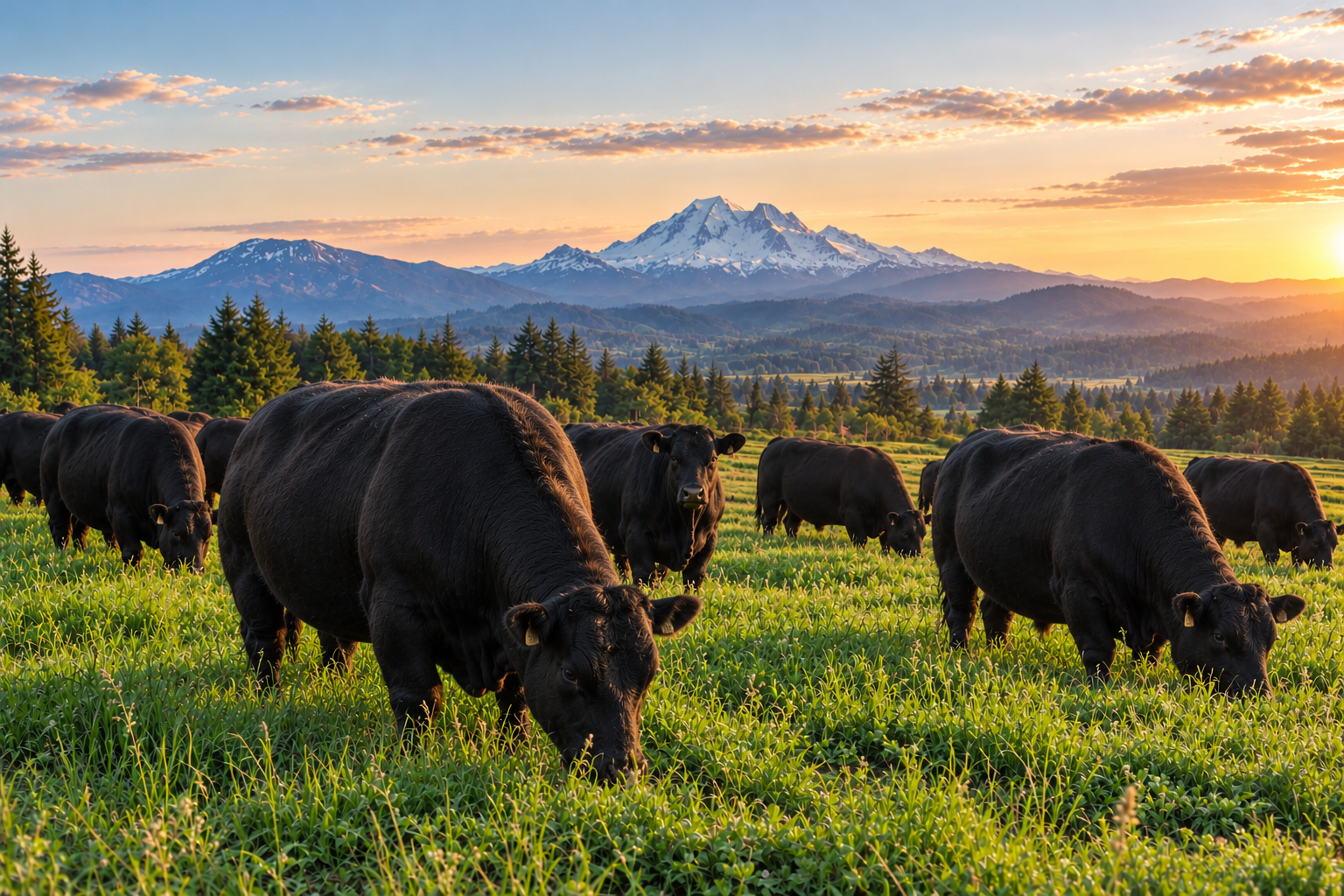
Regenerative Grazing Systems: Restoring the Land One Pasture at a Time
What Is Regenerative Grazing?
Regenerative grazing is a livestock management system that mimics the natural movement patterns of wild grazing animals. Instead of leaving animals continuously in one pasture, livestock are intentionally rotated through smaller sections of land for short periods of time, followed by adequate rest and recovery for the forage.
This process is often called rotational grazing or managed intensive grazing, but regenerative systems go beyond simple rotation. The goal is not only to feed livestock—it is to regenerate the entire ecosystem beneath them.
Healthy regenerative systems aim to:
Build living soil
Increase organic matter
Improve water retention
Promote biodiversity
Reduce erosion
Strengthen pasture resilience
Produce healthier animals naturally
When managed correctly, livestock become a tool for restoration rather than degradation.
Why Soil Health Matters
Everything begins with the soil.
Modern industrial agriculture has depleted much of the world’s topsoil through overgrazing, monocropping, synthetic fertilizers, and excessive tillage. Regenerative grazing seeks to reverse that damage by restoring biological life underground.
Healthy soil contains billions of microorganisms, fungi, earthworms, and nutrients working together in balance. As animals graze and move across pasture, they naturally fertilize the land through manure and urine while stimulating plant growth through controlled grazing pressure.
Over time, this creates:
Deeper root systems
Increased carbon sequestration
Better drought resistance
Improved forage quality
More resilient pasture ecosystems
Instead of becoming exhausted, the land becomes richer and more productive year after year.
The Importance of Rest and Recovery
One of the most important principles in regenerative grazing is rest.
Plants need time to recover after grazing. Continuous grazing weakens root systems because plants are repeatedly eaten before they can regenerate energy reserves. Eventually, desirable grasses disappear and weeds begin to dominate.
Regenerative systems prevent this by carefully managing:
Grazing density
Timing
Recovery periods
Seasonal forage growth
By allowing adequate recovery, pastures develop stronger roots, greater biomass, and healthier soil biology.
In many regenerative systems, the pasture actually improves because of animal impact—not despite it.
Regenerative systems can provide significant environmental benefits when properly managed.
Improved Water Cycles
Healthy soil acts like a sponge, absorbing rainfall instead of allowing runoff and erosion. This improves drought resilience and reduces flooding risks.
Increased Biodiversity
Rotational systems encourage diverse grasses, legumes, insects, birds, and wildlife to thrive together within the ecosystem.
Carbon Sequestration
Well-managed pasture systems can pull atmospheric carbon into the soil through photosynthesis and root growth, helping rebuild organic matter.